Tel: +351 219 258 292 - Email: comercial@atlasseis.com

The biogas that is obtained through the anaerobic process consists of 50 to 70% of methane and around 30 to 40% of carbon dioxide.
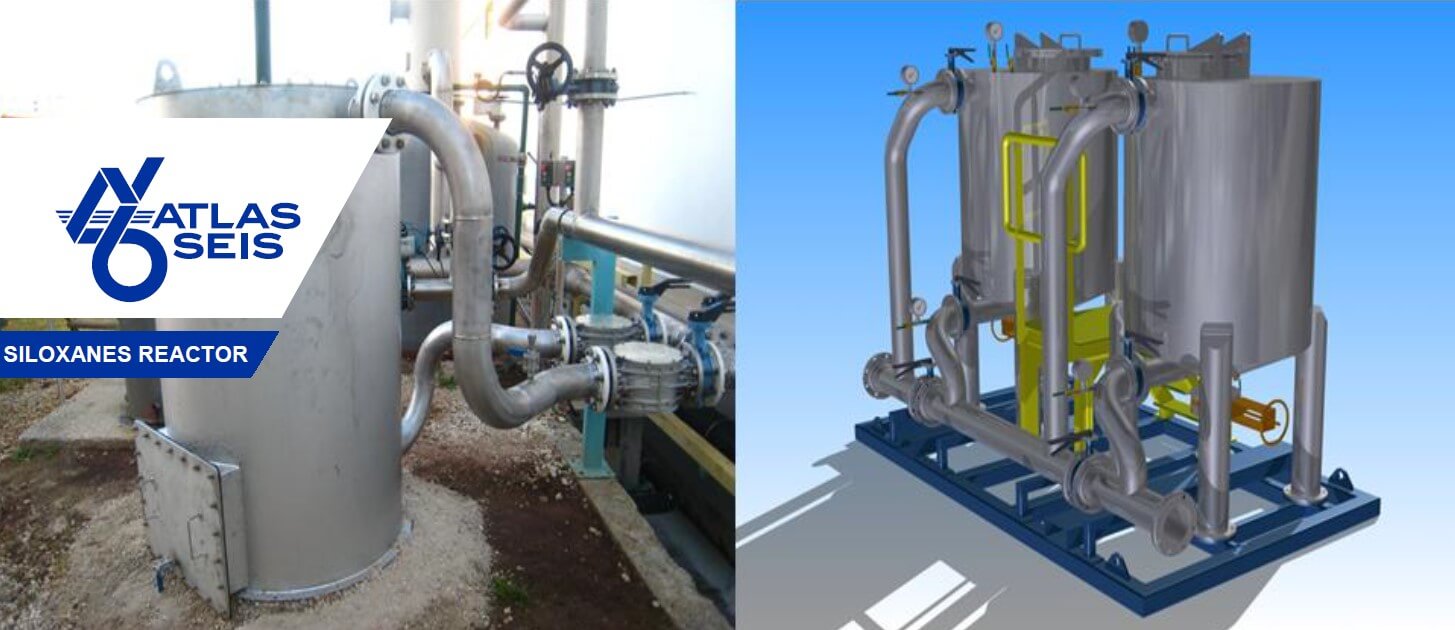
The methane gives high energetic value to biogas, however, its use to produce electrical energy is conditioned by the presence of contaminants like H2S and siloxanes, that lead to high maintenance costs, as well as interruptions in the operation of the engine.
Many of the technical problems are best understood when we look closely at the different contaminants present in the biogas. Generally, the contaminants can be grouped in this way:
- Siloxanes;
- Hydrogen Sulphide (H2S);
- Corrosive acids;
- Halogenated compounds.
These contaminants can cause several problems, which can be harmful to health and / or damage energy production equipment, among others.
It is therefore very important that biogas is treated in advance so that the life of the equipment can be extended.
Siloxanes are a subgroup of silica compounds containing Si-O bonds with organic radicals attached to the silica molecule including methyl and ethyl groups, among others. These compounds are widely used in various industrial processes and are frequently added to consumer products (shampoos, toothpastes, lotions, paper products, paints, oils,…) and the ultimate destination is often wastewaters and/or landfills.
The name Siloxane is derived from the words: Sil(icon) +Ox(ygen) + (Meth)ane
The polydimethylsiloxanes (PDMS) are polymers presenting units of silica and oxygen repeated n times, with two methyl groups bonded to the silica atom. The value of n may vary between 3 and more than 10,000. The PDMS can be transformed by hydrolysis into smaller-chain compounds, called volatile methyl siloxanes (VMS) and these may have a linear or cyclic structure.
There are thousands of Siloxanes, some examples below:
| Cyclic siloxanes | Linear siloxanes |
| D3: hexamethylcyclotrisiloxane | L2: hexamethyldisiloxano |
| D4: octamethylcyclotetrasiloxane | L3: octamethyltrisiloxano |
| D5: decamethylcyclopentasiloxane | L4: decamethyltetrasiloxano |
| D6: dodecamethylcyclohexasiloxane |
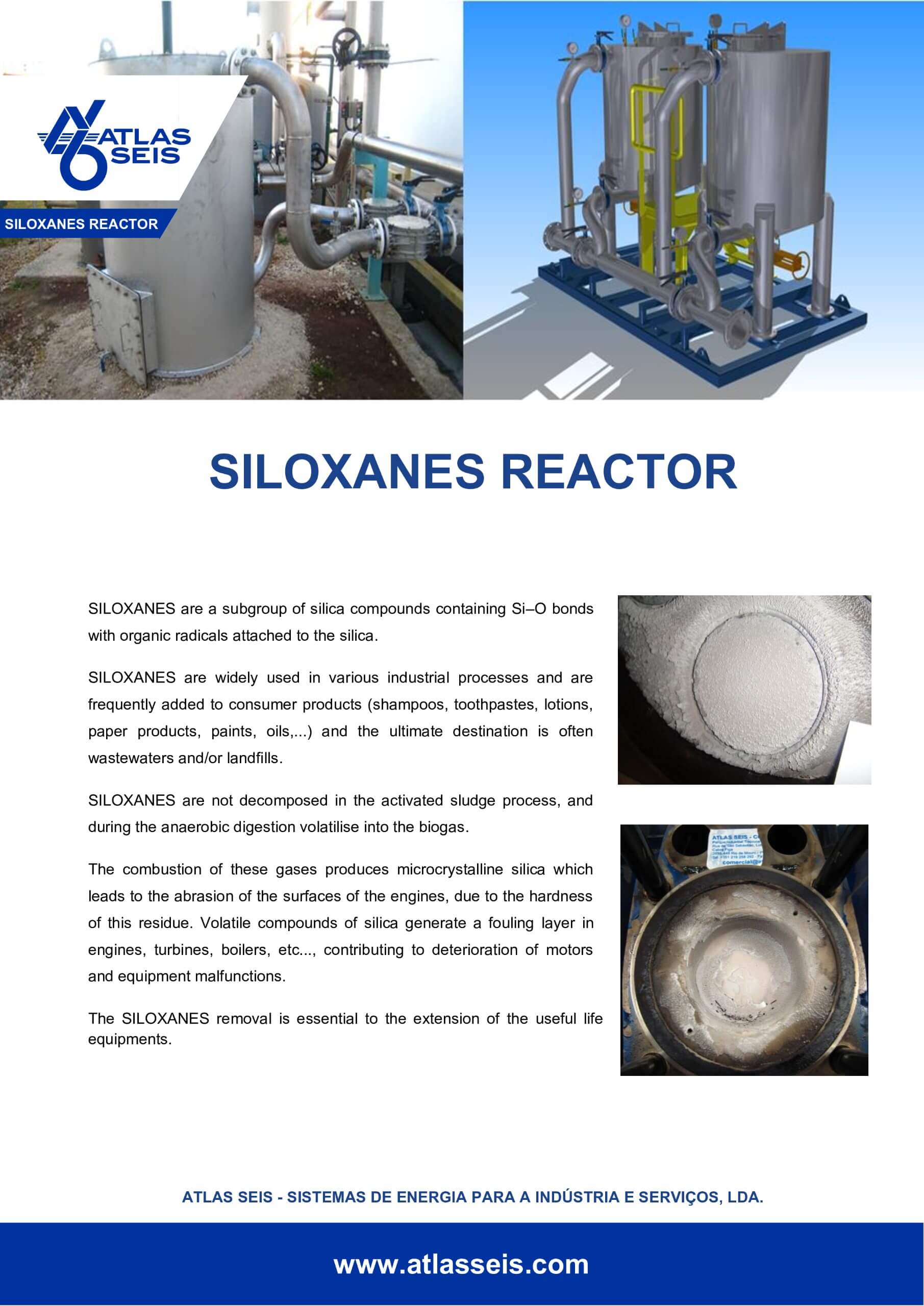
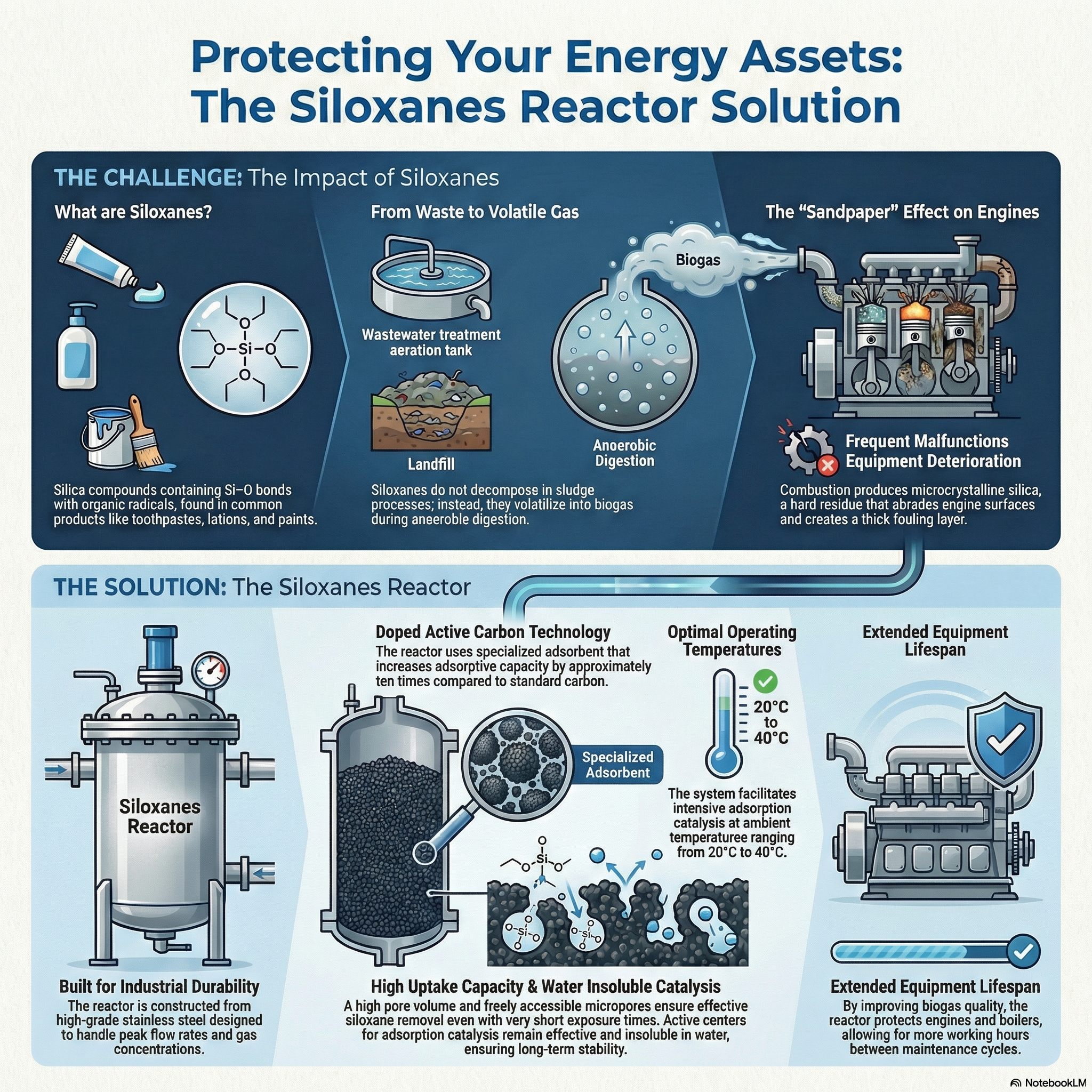
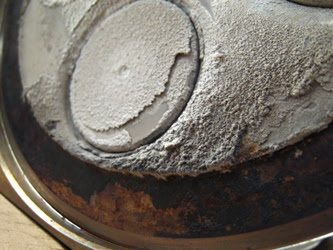
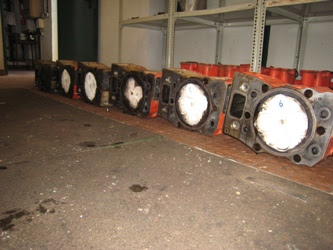
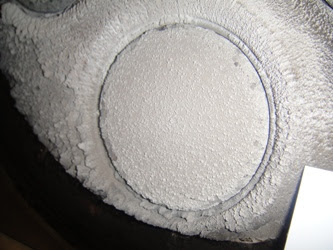
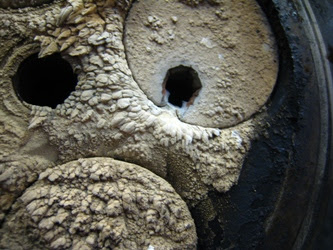
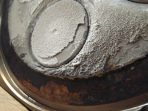
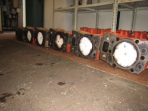
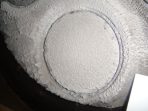
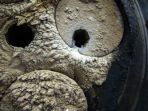
Siloxanes are not decomposed in the activated sludge process, and during the anaerobic digestion volatilise into the biogas. The combustion of these gases produces microcrystalline silica which leads to the abrasion of the surfaces of the engines, due to the hardness of this residue. Volatile compounds of silica generate a fouling layer in engines, turbines, boilers, etc…, contributing to deterioration of motors and equipment malfunctions.
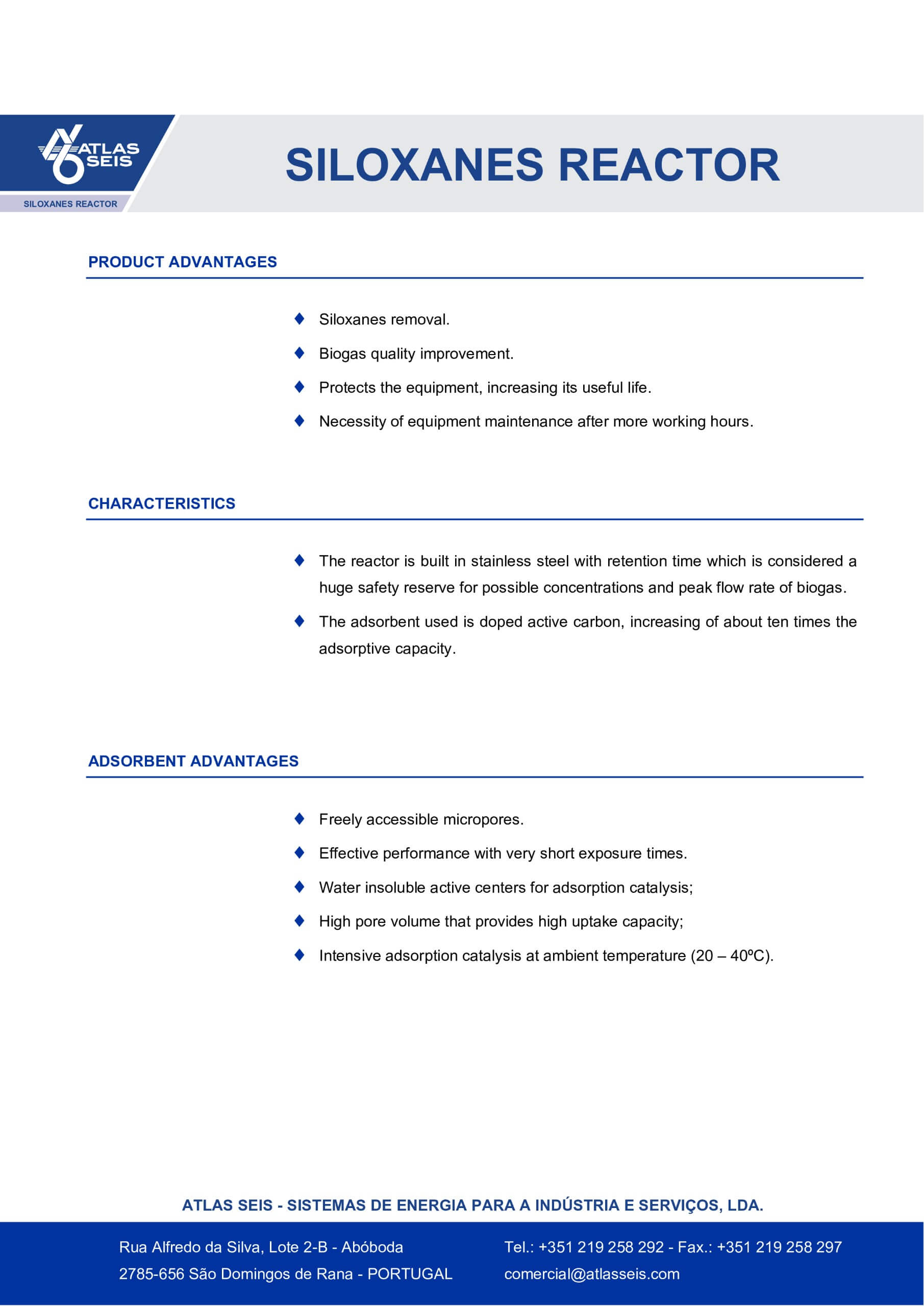
The siloxanes removal is essential to extend the lifespan of the equipment.
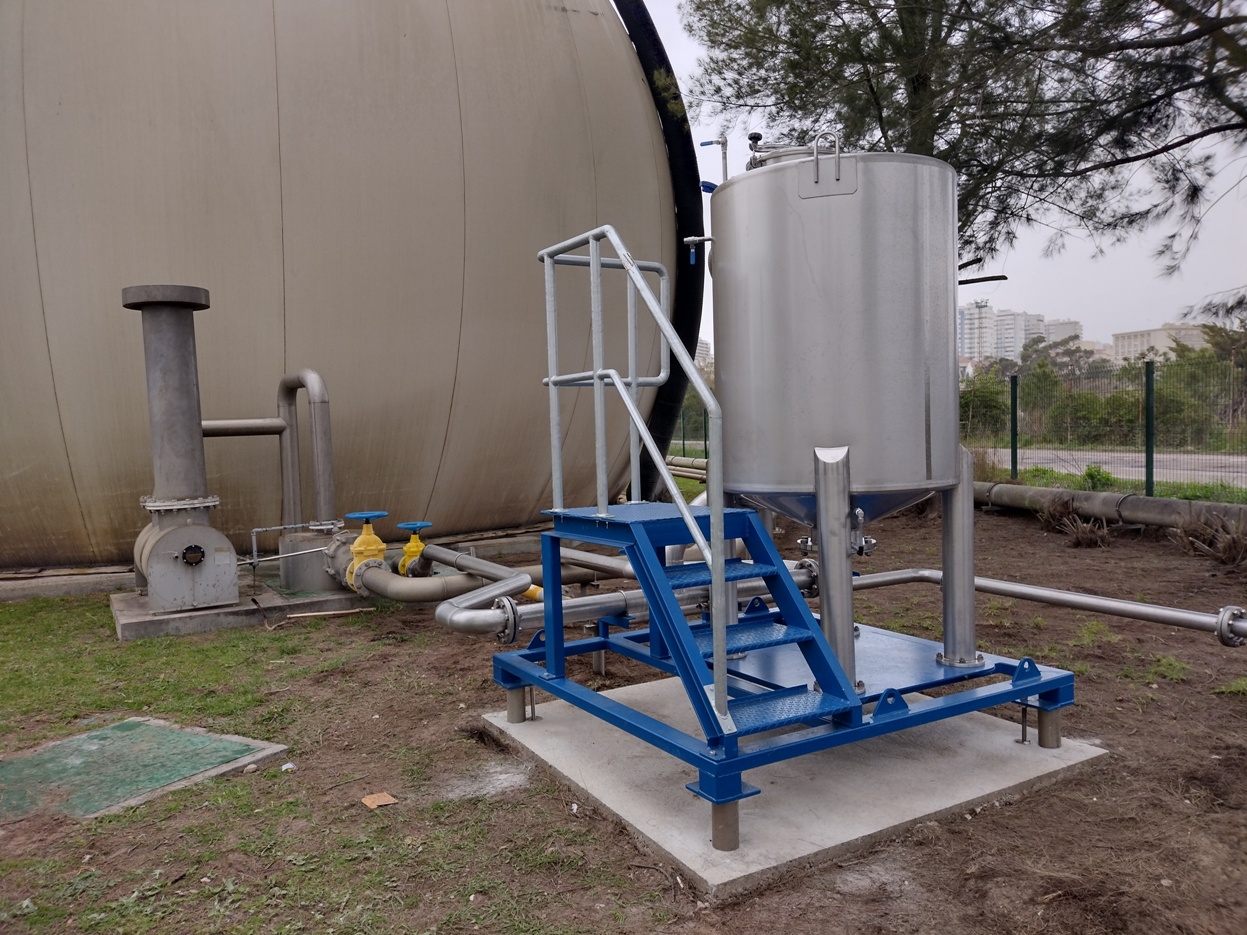
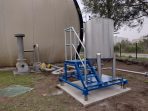
See our case studies: Siloxanes Reactor in WTTP